A Dubai villa renovation becomes predictable when the fit-out sequence is controlled from demolition to snagging, and that process should match the delivery standards of a best renovation company in Dubai before site teams start closing ceilings and walls.
Demolition and Protection
The project should begin with protection for retained floors, stairs, windows, landscape zones and service access. Demolition must be selective, documented and coordinated with utility isolation.
A clean demolition phase gives the team a reliable view of the structure. Hidden moisture, weak substrate and old wiring should be solved before new finishes arrive.
MEP and Ceiling Coordination
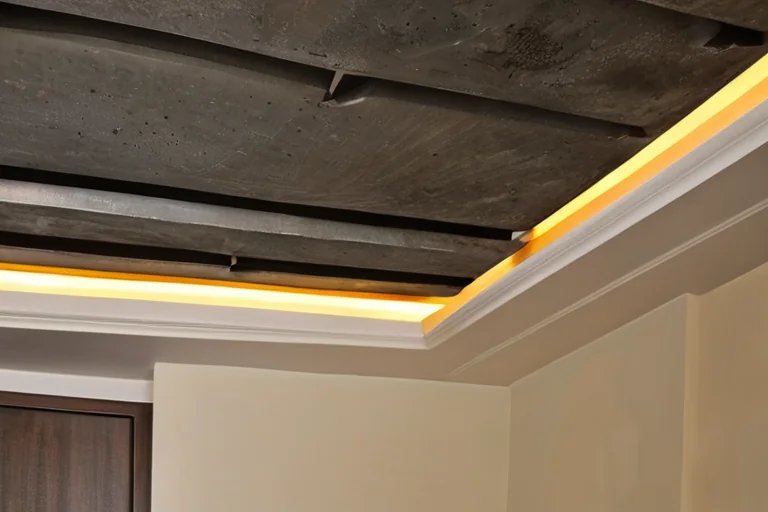
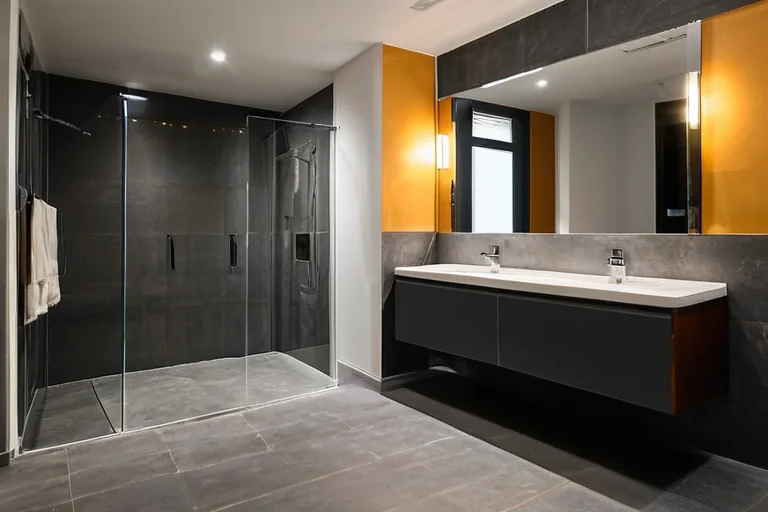
Mechanical, electrical and plumbing changes drive the renovation schedule. AC ducts, drain lines, lighting circuits, smart controls and bathroom services should be signed off before ceilings close.
This is where many villa projects lose time. A ceiling that looks complete but hides unresolved services will create expensive rework.
Joinery and Finish Installation
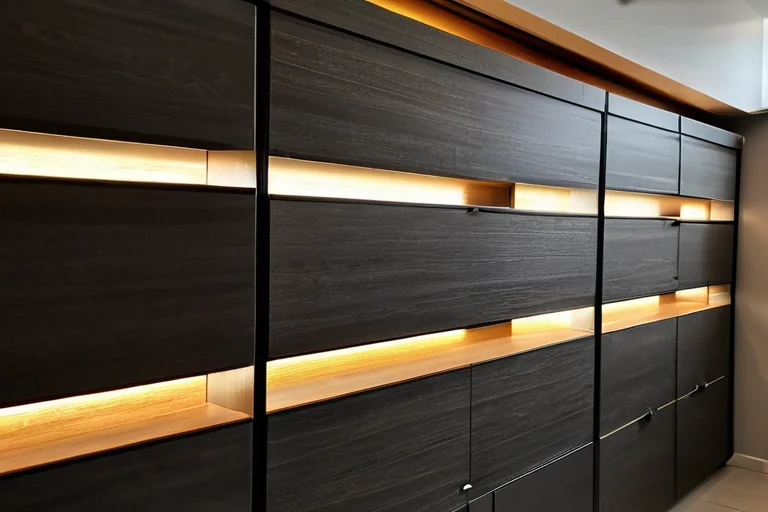
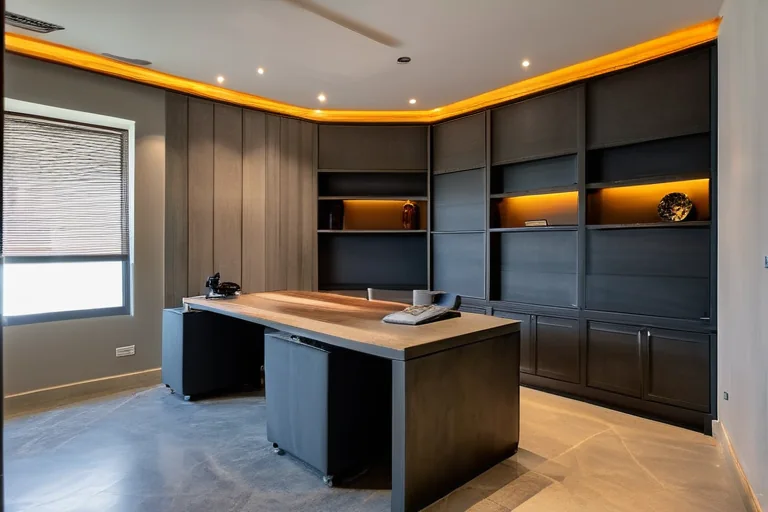
Custom wardrobes, wall panels, kitchens and vanities need accurate site measurements after wet works and before final paint. Shop drawings should be checked against real openings.
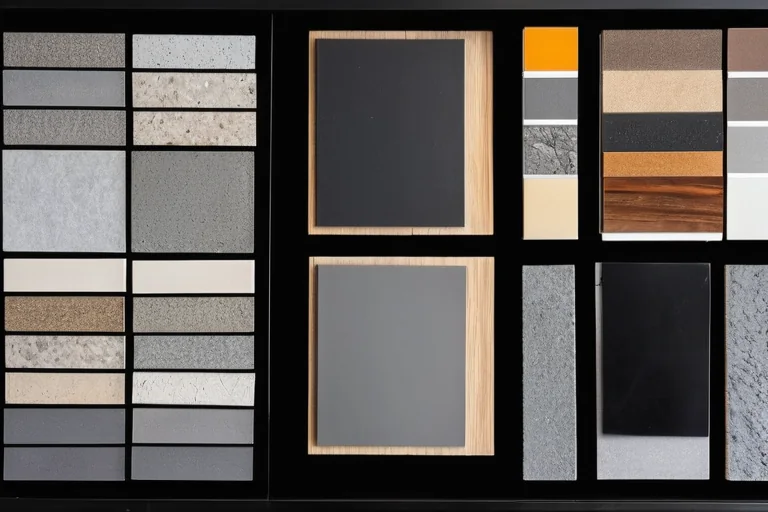
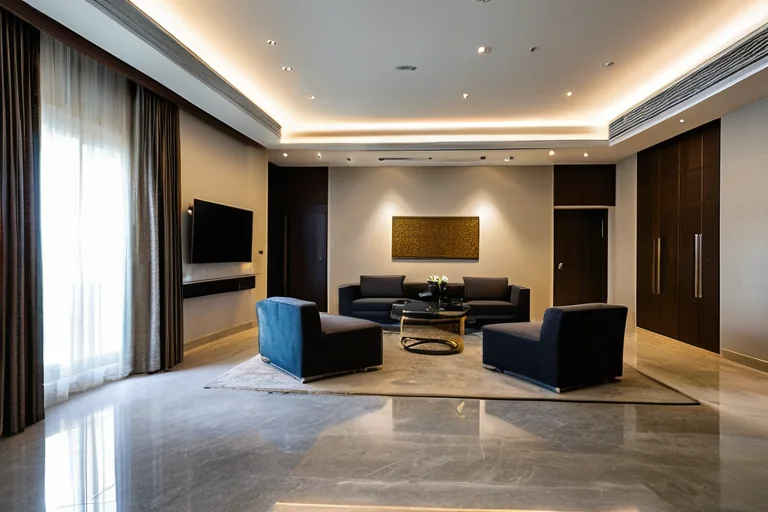
Finish installation should follow a logical order: floors, fixed joinery, doors, wall finishes, lights, accessories and soft furnishings. Each step needs protection for the previous one.
Testing, Snagging and Handover
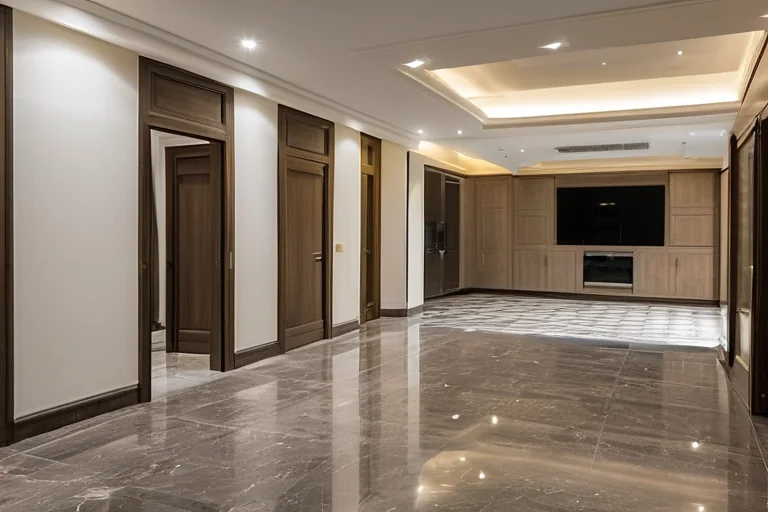
Before handover, the villa should be tested room by room. Water pressure, drainage, lighting scenes, AC performance, door movement, cabinet alignment and stone sealing all need records.
A disciplined snagging process protects the client and the contractor. It turns the final week from a conflict into a controlled closeout.